

(Affiliate disclosure: I may receive a commission if you purchase something through links in this post. As an Amazon Associate I earn from qualifying puchases. See more details here:)
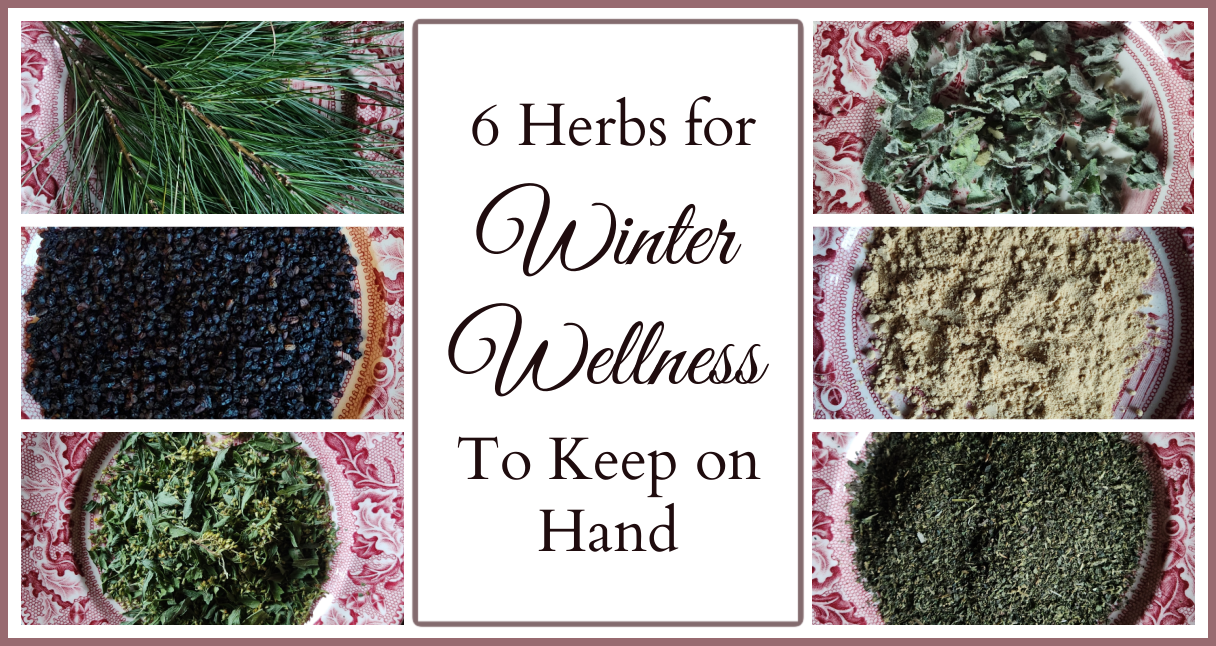
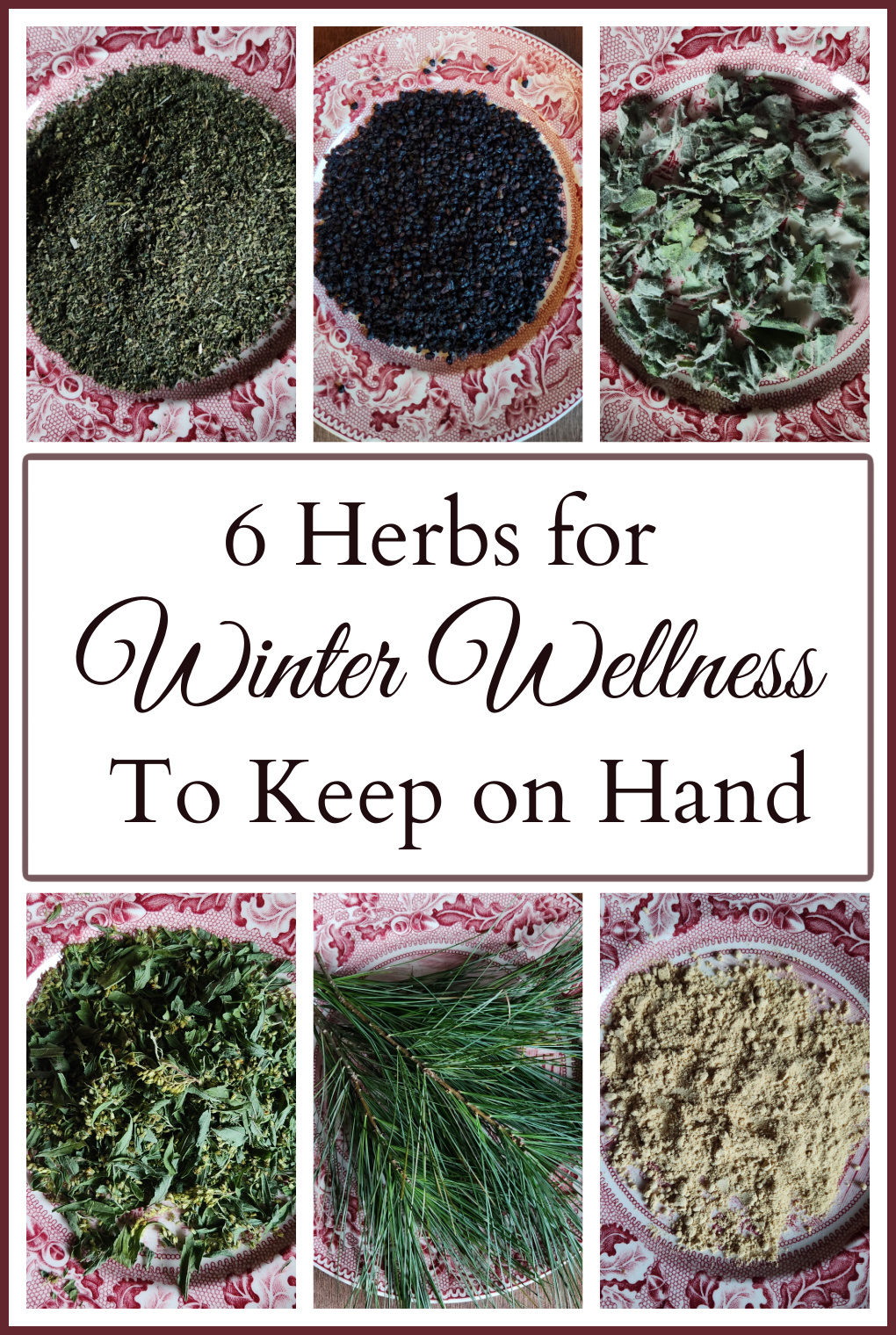
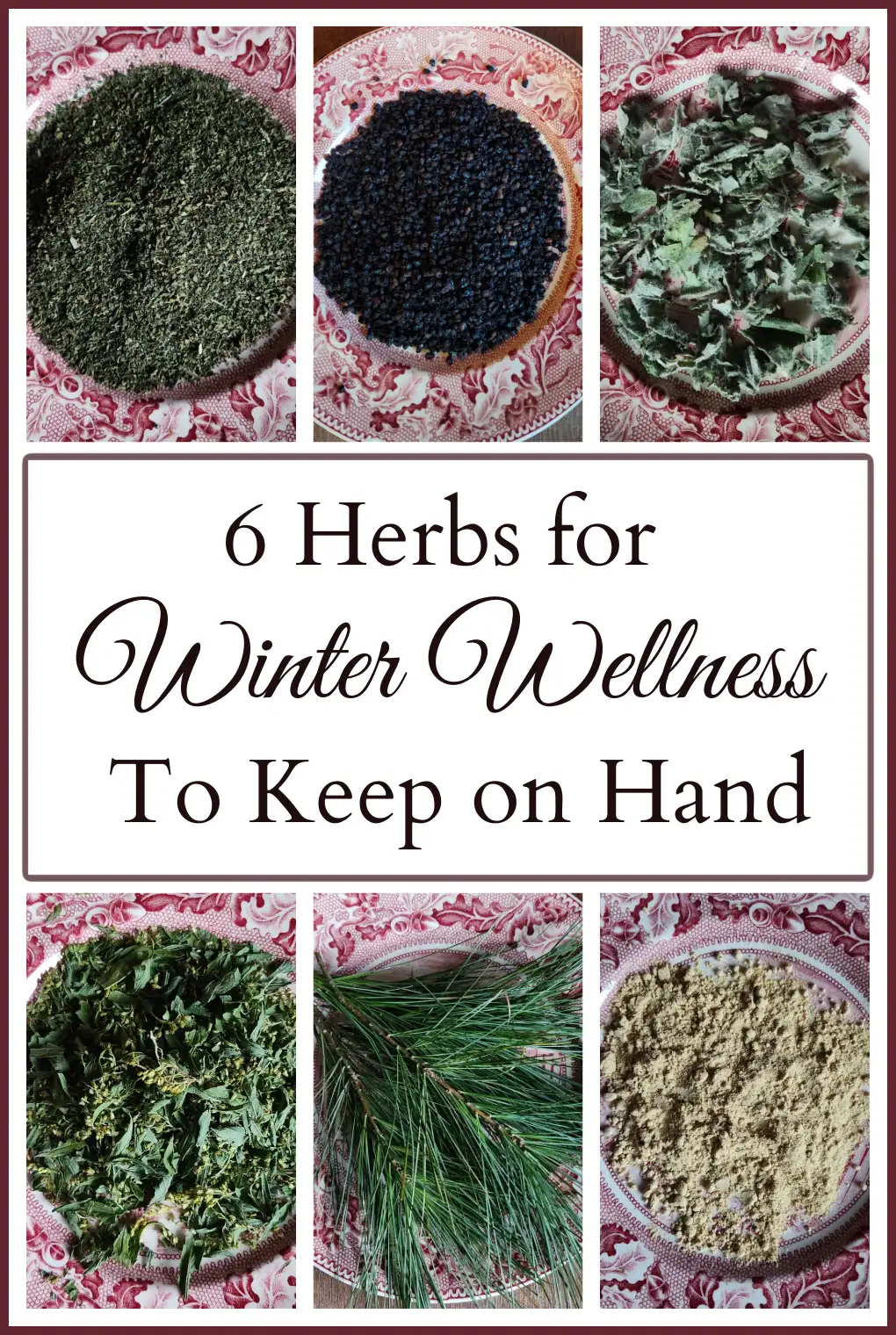
Winter can be a time when we need a little extra support when it comes to staying well and helping us to feel better when we are unwell, and herbs can be a great resource during this time of year. There are so many herbs that can help to support our health, and if you look at lists of beneficial herbs for winter time you will probably see a wide variety of herbs listed. The six herbs I'm going to talk about today are some of my personal favorite winter wellness herbs that I like to make sure to keep on hand during the colder months of the year.
These herbs are ones that have a long history of traditional use, and they are also herbs that are easily accessible, too. You might even see some of them in your backyard once you learn how to identify them, and the others are ones that can be found at local stores or online. And many of these herbs have multiple beneficial properties and can be useful for any time of the year, but they are ones that I find to be especially helpful to stay stocked up on during the winter season
Jump to:
- Sources For Learning About These Herbs
- Where to Find These Herbs
- Important Health Information
- Important Information for Pregnancy
- 1) Elderberry (Sambucus nigra)
- Mullein (Verbascum thapsus)
- Pine Needles (Pinus strobus)
- Goldenrod (Solidago canadensis)
- Nettle Leaf (Urtica dioica)
- Ginger Root (Zingiber officinale)
Sources For Learning About These Herbs
Since I have been learning about herbs for a little while now, I've learned things about herbs from many different sources, and I don't always remember exactly where I learned each specific bit of information from, and sometimes I've learned the same information from multiple different sources, too. The resources listed below are some of the places where I've learned about herbs over the past few years, and so some of the information about herbs in this article comes from a combination of several of these sources.
I've only included a very brief overview of each of the herbs on my winter wellness list below, and there is so much more information to learn about each of these herbs, so if you are interested in knowing more you can check out some of these resources for a deeper dive into these herbs.
While I don't necessarily agree with 100% of all of the viewpoints or teachings of all of these different books and sites, there is some great information about herbs in them, and you if you are looking for a specific herbs you can search for those and find a lot of helpful knowledge about the herbs as well as how to use them.
- Herbs with Rosalee (website)
- Homegrown Herbalist (website and also YouTube channel)
- The Honeystead (YouTube channel)
- Homesteading Family (YouTube channel)
- The Herbal Academy (website)
- Commonwealth Holistic Herbalism (website)
- Herbal Remedies Handbook (book)
- Prepper's Natural Medicine (book) (Note: the Amazon listing says "illustrated," but the copy I have is not illustrated.)
Where to Find These Herbs
Several of the herbs on this list are ones that you might be able to forage for yourself if you do some research to properly identify them, or you might also find several of them at local health food stores if you live near a store that has bulk herbs. And if you aren't able to find these herbs locally then you can find them online.
I've actually only bought a couple of the herbs on this list online because I am able to find most of them either at a local store or in my yard. The brand of herbs that I have used the most often recently and would recommend is Frontier Co op. I've also used Starwest Botanicals some. There are other great herbal brands, too, but those are two that I've had personal experience with using more recently.
Of the herbs on this list goldenrod and pine needles are ones that I've only ever foraged for and I don't have any personal experience with buying those online or from a store. I've have seen both goldenrod and pine needles available online, but I don't have any specific brands to recommend for them that I've tried.
Important Health Information
Before moving on to the list of herbs it's important to state first that not all herbs are safe for everyone to use, so it's always wise to do some research and/or check with a professional before trying a new herb, especially if you are taking any medications or have any health conditions, or if you are pregnant or nursing because some herbs aren't safe for those situations. It's also important to check to see if herbs are safe for children to consume, too, if you have children and want to give any herbs to them.
And, of course, I'm not a health professional, so any information about the health benefits of any of these herbs is for informational purposes only and not medical advice.
I've included a couple of contraindications that I am aware of for the herbs below, but there may be others as well, so it's definitely a good idea to do some research about that before trying a new herb.
Important Information for Pregnancy
I've seen some conflicting information online for whether or not some of these herbs are safe for pregnancy and even for nursing. Some herbs are considered potentially unsafe because there is a component in the herb that could cause uterine contractions or harm the baby, and some herbs are considered unsafe simply because there isn't enough information or evidence to prove that they are safe. So if you are a pregnant or nursing mother I would recommend doing some more research about these herbs and talking with your doctor or midwife.
Ok, now that those disclaimers are out of the way, let's move onto talking about the herbs themselves!
1) Elderberry (Sambucus nigra)

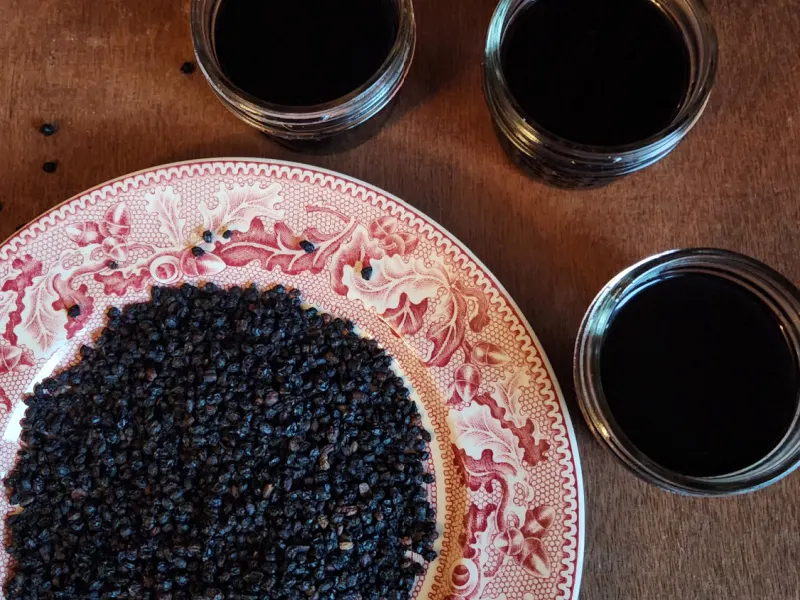
The Parts Used: The berries
Elderberry is a very common herb that you will probably find at most drugstores and sometimes at grocery stores in the form of elderberry syrup. Elderberry is a great herb for people to try who aren't used to taking herbs because the syrup tastes really good, and elderberry is a much more pleasant herb to take than some herbs can be. (Of course, this only applies if you add sweetener to your elderberries like with elderberry syrup or elderberry jam.)
Elderberry is most well known for being an herb to help support the immune system and for helping to prevent or shorten the duration of illness with the flu. I've heard mixed things on whether it can be effective for the common cold, but I personally like to take some whenever I feel like I'm coming down with something because there's a chance it might help, and in the beginning stages of sickness you can't always tell whether you have the flu or a bad cold anyways.
How I Like to Use Elderberries
The way that I like to use elderberries is to make elderberry syrup. I enjoy the taste of the elderberry syrup, and when you're already not feeling very well sometimes it's just nice to have something to take that tastes good. This elderberry syrup recipe from Wellness Mama is the one that I've been using. I adapt it slightly, but I use the basic ratios from that recipe.
Recommendations for how much to take can vary based on which source you are looking at and whether you are taking it for prevention or to support your body when you already feel like you're coming down with something. I usually just use a regular kitchen spoon rather than measuring it exactly, and I usually try to take some several times a day at the beginning stage of sickness if I feel like I'm fighting something off. It's a good idea to do some research, though, to see what amount makes the most sense for your specific situation.
Where to Find Elderberries
If you want to buy premade syrup then you can probably find it at local stores in the pharmacy section, or you can also order it online. But elderberry syrup is also easy to make at home, too, and it saves money when you make it yourself. You can buy elderberries in bulk bags online. What I like to do is to make a batch of it and then freeze it in little freezer-safe jelly jars so that I can just take one out of the freezer whenever I feel like I need it.
Precautions and Contraindications
One thing that's important with elderberries if you are making your own syrup at home is to make sure the berries are simmered for a long enough time without a lid on the pot because you want the steam to escape. (I learned this tip from a video by Melissa K Norris, but I'm not sure exactly which video it was.)The raw elderberries can cause an upset stomach, so you want to make sure you heat them by simmering them rather than eating them raw and allowing the steam to escape while they are simmering allows the compound that would cause an upset stomach to escape.
I've heard that it might be best to be cautious about using elderberry for any existing immune issues, so that would be something to consider. There are also different opinions about whether or not elderberry is safe for pregnancy, so it would be wise to do some more research and consult with a professional about that. And if you make elderberry syrup and use honey as the sweetener then it should be avoided for children under one years old because of the honey.
Mullein (Verbascum thapsus)

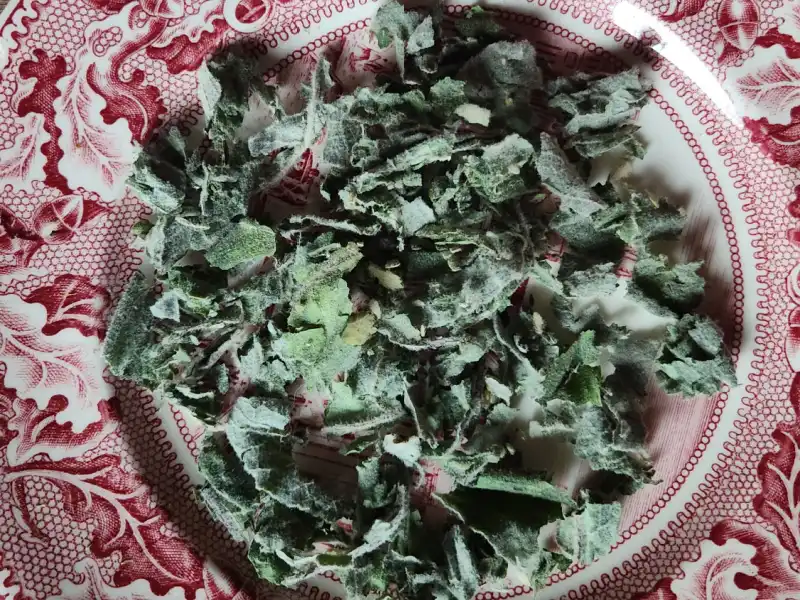
The parts used: The leaves
Mullein is a unique looking plant with it's soft, fuzzy leaves, and it's one that has a lot of traditional uses, but one of the most common uses is for helping with coughs. Mullein has expectorant properties, and it can also help with suppressing coughs, too. It's also a demulcent herb, so it has a soothing effect, too, for a dry and irritated throat (see the note below about using a filter to strain out the hairs on the leaves so the hairs don't cause irritation and counteract the demulcent effect).
How I Like to Use Mullein
I use mullein by making a cup of herbal tea. I find that mullein doesn't have a very strong taste, but you might want to add some other more flavorful herbs to it to make it a more pleasant drinking experience. I've also heard that it's a good idea to infuse mullein in a paper tea filter because all of the little hairs that are on the mullein leaf can be irritating, and some types of tea infusers might not strain out all of the little hairs. These kinds of disposable paper filters are ones that I sometimes use if I'm making tea with mullein.
Where to Find Mullein
Depending on where you live you might be able to find mullein growing wild in your yard. I have mullein that grows wild in my yard each year, so I've been able to harvest some to dry for the winter months. I've also found some in the bulk herb section of Mom's Organic Market, so if you live near one of those stores you could check that out. You can also find it online, too.
Precautions and Contraindications
As mentioned above, it's recommended to use paper filters to strain out the potentially irritating hairs on the leaves. It's also important to pay attention to where you are harvesting mullein if you are foraging it yourself because mullein is a plant that can absorb toxins from the soil so you want to make sure you are harvesting from a clean place. There are also different opinions about whether or not mullein is safe for pregnancy, so it would be wise to do some more research and consult with a professional about that.
Pine Needles (Pinus strobus)

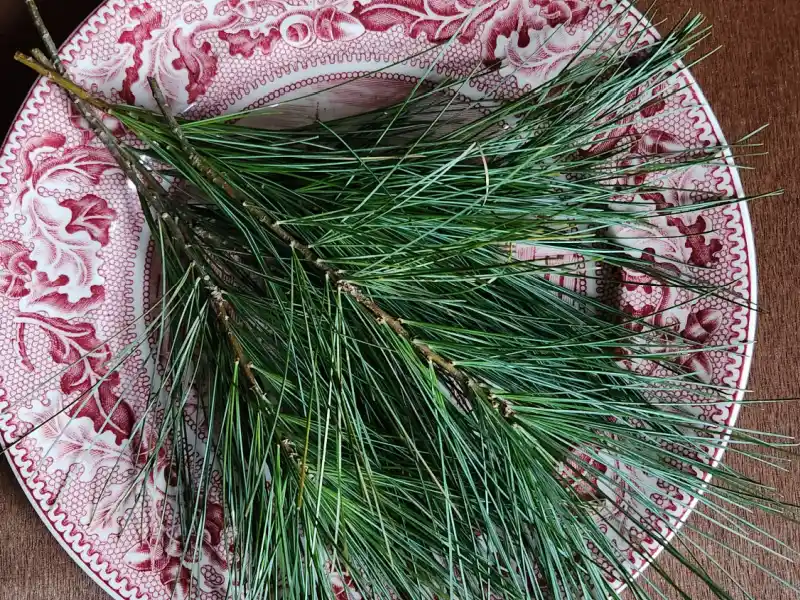
The parts used: The green needles
Pine needles are one of the lesser known herbs on this list. While most people are very familiar with pine trees and pine needles, it's less common to think of using them as an herb. But pine needles actually have a lot of history of use, and they can be a great herb to use during the winter season especially.
Pine needles are high in Vitamin C which is often less available during the winter months. Or at least it would have been less available historically before modern grocery stores allowed us to get all sorts of fruits and vegetables at any time of the year.
And I learned from Dr. Patrick Jones that pine needles can actually help to keep respiratory viruses from replicating (This article talks a bit more about that). I usually make some pine needle tea whenever I feel like I might be fighting something off, and I'll also sometimes drink some if I think I might have been exposed to sickness.
I use white pine (Pinus strobus) because that's the species that grows near me, but Dr. Jones says that red pine (Pinus resinosa) has the same benefits, so that's another option to look into if you have red pine near where you live. Just don't try to use needles from your Christmas tree because they aren't the same and could be toxic, and some trees are sprayed with chemicals that could be unsafe, too.
How I Like to Use Pine Needles
I make pine needles into a tea by breaking up the needles into smaller pieces and putting them in a tea infuser. I usually combine the pine needles with some other herbs like ginger and nettle. The pine needles have a Christmas-y taste for lack of a better description. They taste a little bit like the way a Christmas tree smells. It's an unusual taste for tea, but it's not unpleasant in my opinion, and adding another flavor like ginger and maybe a bit of your favorite sweetener helps with the flavor, too.
Where to Find Pine Needles
If you have white pine trees in your yard then you might be able to forage some yourself after making sure you are properly identifying white pine (or red pine). One identification trick I learned from a plant walk tour at Old Sturbridge Village is that white pine has needles that are in a cluster of five needles and the word "white" has five letters in it.
Even though pine needles are available year long I find it helpful to keep some dried pine needles in the house because I've found that when I'm not feeling well in the winter time the last thing I want to do is go outside in the cold and the snow to harvest pine needles, so it's nice to have some that are already inside. If you don't have any pine needles that you can forage it's also possible to find pine needles online.
Precautions and Contraindications
Like mentioned above it's important to make sure you are correctly identifying white pine (Pinus strobus) or red pine (Pinus resinosa) if you are harvesting needles from a tree in your yard. And pine needle tea isn't recommended for pregnancy either.
Goldenrod (Solidago canadensis)

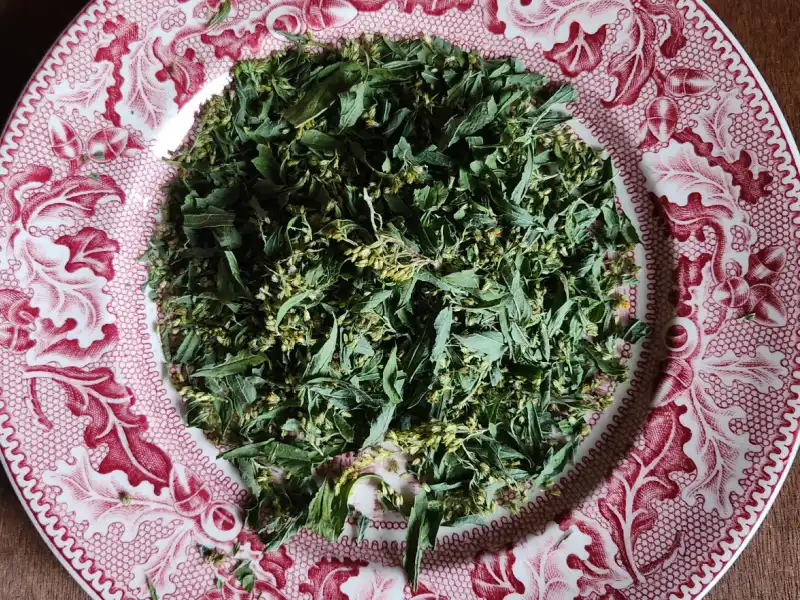
The parts used: The flowers and leaves
Goldenrod isn't usually an herb we think of when it comes to winter wellness, but it's one that I like to keep on hand for times when I have a cold. Goldenrod is really good for the beginning stages of a cold where you have a runny, drippy nose that's driving you crazy. Goldenrod's astringent nature can help with drying up some of the annoying excess mucus that makes you feel so miserable at the start of a cold. (This astringent nature could also potentially help with allergies, too, and despite popular belief the plant that causes fall allergy issues is usually ragweed and not goldenrod.)
How I Like to Use Goldenrod
I like to infuse goldenrod in hot water to make a tea. I typically combine goldenrod with some other herbs that have a more pleasant taste such as ginger. Goldenrod doesn't taste bad, but it isn't exactly the best tasting herb either (at least not in my opinion), so I find that it helps to add another herb with a flavor you like. A small amount of sweetener can help, too.
Where to Find Goldenrod
Depending on where you live there's a good chance that you might be able to find goldenrod growing near you in the autumn months, so you might be able to forage some to save for the winter time. If you don't have any goldenrod near you or if you missed the window to harvest it and you want to have goldenrod available then you can also find dried goldenrod online.
Precautions and Contraindications
Goldenrod can have some toxic look-a-likes, so it's important to make sure you are identifying goldenrod properly if you are foraging for it yourself. And goldenrod is not recommended for pregnancy.
Nettle Leaf (Urtica dioica)

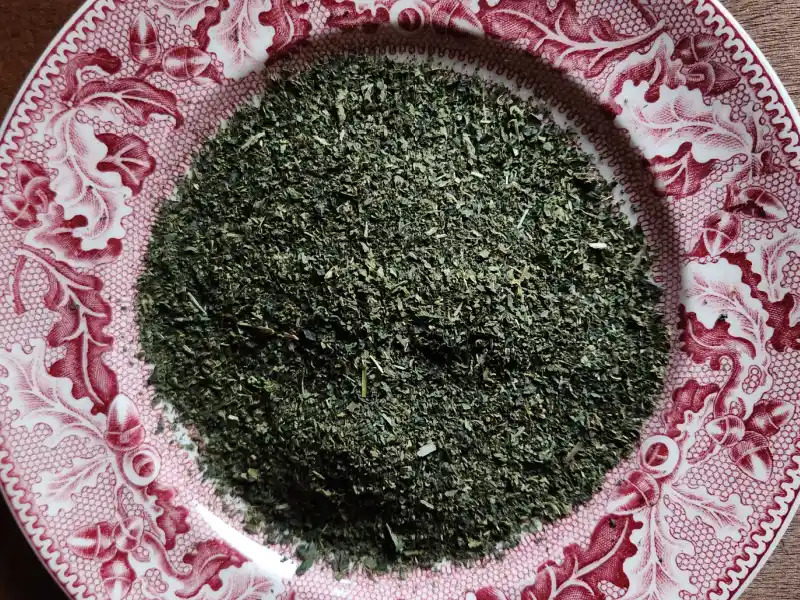
The parts used: The leaves
Nettle is a plant that has many uses, and in the spring time the young leaves have traditionally been cooked and eaten like spinach. Nettle is known as a very nutritious herb, and the leaves can also be harvested and dried for storage to use for making herbal infusions. When it comes to winter wellness, the reason why I like to use nettle leaf is because of its antihistamine properties. I like to combine it with other herbs, like goldenrod for example, to help with the annoying itchiness in the beginning stages of a cold.
How I Like to Use Nettle
I use nettle leaf to make a tea. I typically use nettle as a base for a lot of herbal teas that I drink because it is such a nutritive herb that is rich in minerals. It also has a mild "green" taste that blends well with other herbs that have stronger flavors.
Where to Find Nettle
You might be able to find some nettle growing wild in your yard that you can forage (but don't forget to wear gloves so you don't get stung by the hairs on the fresh leaves!) You might also be able to find nettle at health food stores, and if not then it's easy to find online.
Precautions and Contraindications
If you are foraging for fresh nettle leaves then you want to make sure to either heat the fresh nettle leaves or fully dry them in order to inactivate the stingers on the leaves.
Ginger Root (Zingiber officinale)

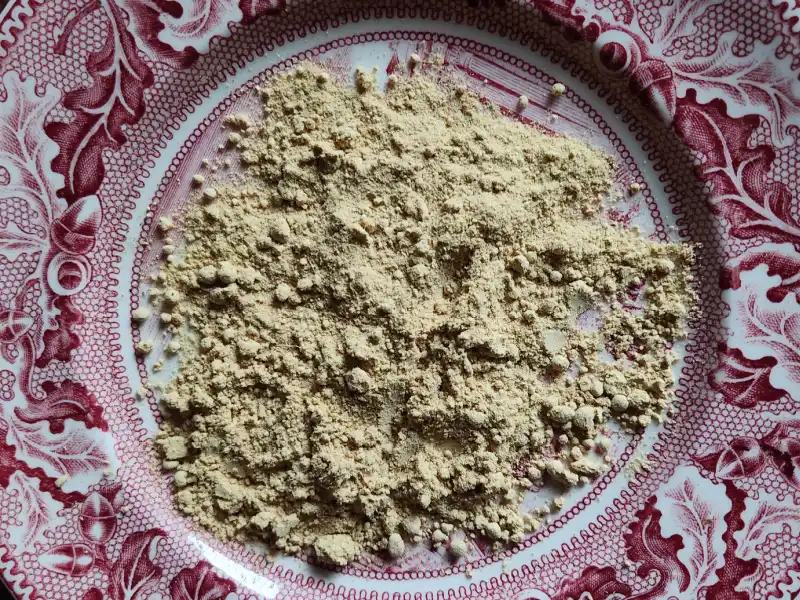
The parts used: The root
Ginger is probably the most well-known on this list since it is such a common spice, especially during the winter months. Ginger has a warming effect that can be very comforting during the winter season and during times of sickness, and ginger has some antiviral properties that can be helpful as well. Ginger also adds a nice flavor that goes well with some of the other herbs on this list, too.
How I Like to Use Ginger
I typically use ginger by just adding the dried ground ginger to a cup of tea, often combining it with other herbs on this list such as nettle, pine needles, mullein, etc. I also like to add some ginger to my elderberry syrup when I am making it. Fresh ginger may be better as far as being more potent in beneficial properties, but I prefer to keep dried ginger on hand rather than having to continually buy fresh ginger at the store. This is just my personal preference, though, for convenience sake.
Where to Find Ginger
Ginger is probably the easiest to find of all of these herbs, and you can find it at any grocery store in the spice section if you are looking for dried ginger or most stores will also have it in the produce section if you are looking for fresh ginger. You can also find ground ginger root online.
Precautions and Contraindications
Ginger could cause some issues for people taking medications or who have blood disorders. Large amounts of ginger should be avoided in pregnancy.
(Lori Elliott is a participant in the Amazon Services LLC Associates Program, an affiliate advertising program designed to provide a means for us to earn fees by linking to Amazon.com and affiliated sites.)
The information in this post is not to be taken as medical advice and is not intended to diagnose or treat any disease.
Bill
Thursday 19th of February 2026
Hi Lori! Another great read. Really good info on the herbs. I have tried a couple of them, ginger and pine needles. One good tea is moringa mixed with ginger. Tastes really good! Maybe start growing some seedlings to break the cabin fever...
Lori Elliott
Friday 20th of February 2026
Thank you, Bill! I've never tried moringa tea before. I'll have to look into that one. And, yes, it will be nice to get some seedlings started soon to see something green growing again! It's a little bit too early for me to start any just yet, but I can start planning and getting ready for that soon :)